
To maintain professional-grade autoclave water quality and prevent system failure, you must utilize “Critical Water” as defined by the 2026 AAMI ST108 standards, typically achieved through deionization or high-efficiency distillation.
As a senior consultant for medical facility maintenance, I have observed that using untreated municipal water is the single most common cause of premature heating element failure and instrument corrosion.
Transitioning to a dedicated DI loop or a certified distillation process guarantees your sterilization cycles meet regulatory compliance while drastically extending the lifespan of your technical capital.
If you continue to ignore the mineral content in your reservoir, you are essentially sandblasting your most expensive equipment from the inside out.
The damage is cumulative; it is invisible; and by the time your technician hands you the repair bill, the damage is already irreversible.
How Hard Water Kills Steam Generators
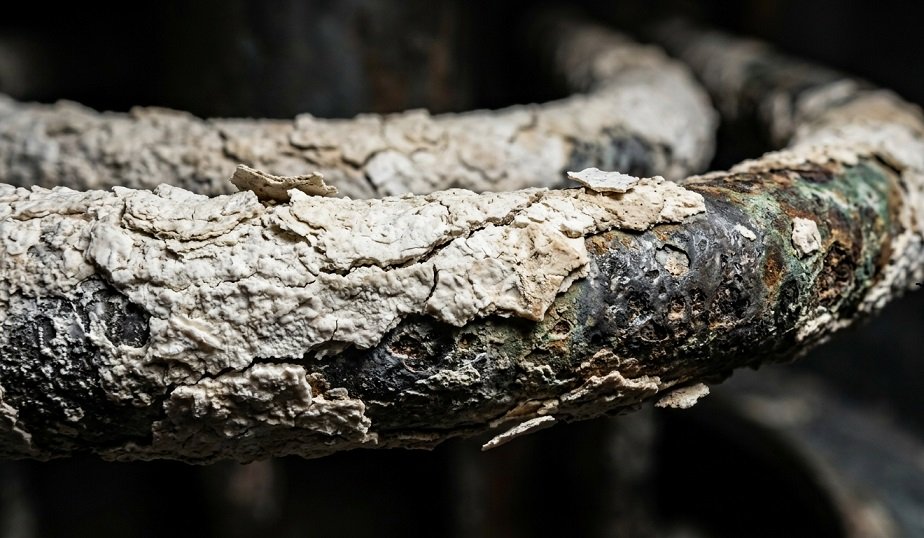
In an autoclave, water is heated until it transitions into steam, but the minerals dissolved in that water do not evaporate. Instead, they undergo a “boil-off” effect where Calcium and Magnesium carbonates bake onto the heating elements and chamber walls.
This creates a thick, chalky insulation layer that forces your generator to work twice as hard to reach sterilization temperatures.
The Physics of Mineral Pitting and Overheating
As this scale thickens, it creates localized hotspots on the heating elements. Under the high-pressure environment of a Class B autoclave, these hotspots lead to “pitting,” which is the physical excavation of metal at a molecular level.
This thermal stress eventually cracks the element, leading to a complete system blackout during a busy clinic day.
The 2026 AAMI ST108 “Critical Water” Standard
The current industry benchmark for medical sterilization is the AAMI ST108 standard, which replaced the older TIR34 guidelines.
For steam generation, your water must meet “Critical Water” parameters, including a conductivity of less than 10 μS/cm and total hardness of less than 1 mg/L. If you aren’t testing your water quarterly, you aren’t in compliance.
| Water Parameter | Tap Water (Average) | Distilled Water | Deionized (DI) Water |
|---|---|---|---|
| Conductivity | 200 – 800 μS/cm | 0.5 – 5.0 μS/cm | < 1.0 μS/cm |
| Total Hardness | > 150 mg/L | < 1 mg/L | < 1 mg/L |
| Silica Content | High | Trace | Zero |
| Risk of Scaling | Extreme | Low | Zero |
The death of your generator is only the beginning of the disaster, as the steam itself begins to carry these mineral contaminants onto your surgical tools.
The Hidden Cost of “Tap” Water Sterilization
When you use poor-quality water, the steam produced is “dirty.” This mineral-laden steam carries microscopic particulates through the valves and into the main chamber, where they settle directly onto your stainless steel instruments.
This process, known as mineral carry-over, is the primary reason for “spotting” on expensive dental burs and surgical kits.
Destroying the Passivation Layer
Stainless steel relies on a microscopic “passivation layer” of chromium oxide to resist rust. Minerals in tap water, specifically chlorides, aggressively attack this layer.
Once the chromium oxide is breached, the underlying iron is exposed to moisture and oxygen, leading to rapid oxidation. For a deep dive into how mineral interference compromises surfaces, see our Lab Insights on contamination.
Instrument Life and Patient Safety
A compromised instrument isn’t just an eyesore; it is a clinical risk. Pitted surfaces provide “micro-harbors” where biofilms and bacteria can cling, even through a standard sterilization cycle. By preserving your autoclave water quality, you are effectively protecting the integrity of every surgical procedure you perform.
Understanding the damage to your instruments is a wake-up call, but the solution requires a strategic shift in how your clinic manages its water throughput.
Implementing a DI Loop for Your Clinic
If you are currently buying individual jugs of distilled water, you are overpaying for a logistical headache. For a high-volume dental or medical clinic, the most efficient solution is a localized Deionization (DI) loop.
This system connects directly to your municipal line and delivers pure, mineral-free water on demand.
The ROI of Deionization vs. Repair Bills
The average cost of a steam generator replacement in a mid-sized autoclave ranges from $2,000 to $5,000 plus labor and downtime. A dedicated DI filtration system typically costs significantly less and pays for itself within the first year by eliminating scaling and manual descaling labor.
We have detailed the different laboratory water grades to help procurement officers choose the right purity level for their specific machinery.
Maintenance SOP for 2026 Compliance
To maintain your DI loop, you should implement a simple monthly protocol. This includes checking the digital conductivity meter integrated into the system and replacing resin cartridges before the conductivity exceeds the 10 μS/cm threshold.
You can find further guidance on maintaining sterile environments in the CDC guidelines for disinfection and sterilization.
Why Distilled Water is the Second-Best Choice
While distillation is effective, it is energy-intensive and slow. In 2026, many clinics are moving away from benchtop distillers because of the heat they add to the sterile processing room. DI systems provide a higher flow rate without the thermal output, making them the superior choice for high-throughput environments.
You can cross-reference these maintenance strategies with the ISO 17665 standards for steam sterilization.
Your equipment’s survival depends on the water you choose today; the question is whether you will invest in filtration now or in a new autoclave later.
Leave a Reply
You must be logged in to post a comment.