
Whether Celsius is bad for you is a question that lands in my inbox almost every day. It shows up in gym group chats, in the comments under nutrition videos, in fitness subreddits typed out by people who have been cracking open a Celsius before their morning workout and have started, quietly, to wonder.
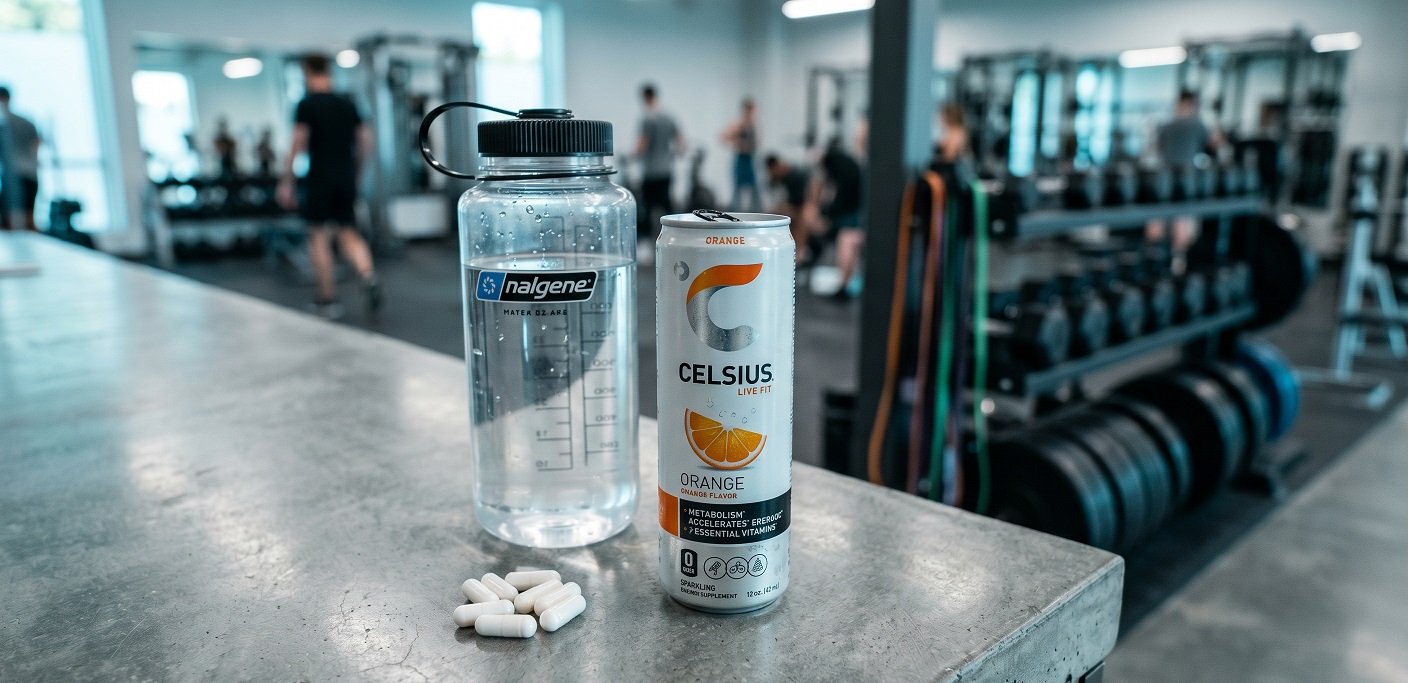
According to Harvard Health, energy drink-related emergency room visits more than doubled for middle school children between 2017 and 2023.
The drink is everywhere right now, and so is the uncertainty around it.
What follows is a complete, evidence-based breakdown: the ingredients, the risks, who should genuinely be cautious, the lawsuit you may not have heard about, the hydration question nobody seems to answer clearly, and a head-to-head comparison with the drinks most people reach for as alternatives. By the end, you will have everything you need to make a call that is yours to make, not the brand’s.
Is Celsius Bad for You: The Short Answer
- For most healthy adults drinking one can a day, Celsius is unlikely to cause harm — but “unlikely to cause harm” is not the same as “good for you.”
- People with cardiovascular conditions, liver concerns, caffeine sensitivity, or who are pregnant, on certain medications, or under 18 face meaningfully elevated risk.
- The three factors that determine your personal risk are caffeine stacking, which population group you fall into, and how often you drink it.
The Honest Bottom Line
For most healthy adults who stick to one can a day and keep an eye on their total caffeine intake, Celsius is unlikely to cause harm. That is the honest answer, and it is worth stating plainly before anything else.
But “unlikely to cause harm” is not the same as “good for you,” and the gap between those two things is exactly where the marketing language on the can does its most misleading work.
Who Can Drink It Without Significant Risk
The conditional matters here. Celsius is a reasonable choice for a healthy adult without cardiovascular conditions, caffeine sensitivity, or liver concerns, who is not stacking it on top of two cups of coffee and a pre-workout. For that person, one can occasionally or even daily sits within what the evidence supports.
Who Should Use Celsius With Caution
The picture changes meaningfully for everyone else.
Daily consumers already getting significant caffeine from coffee or other sources should use it with real caution, as should anyone taking SSRIs, stimulant ADHD medications, or MAOIs. The same applies to people with non-alcoholic fatty liver disease or elevated liver enzymes, and to pregnant or breastfeeding women.
Understanding the Caffeine Load
A single can contains 200mg of caffeine, roughly the equivalent of two standard cups of brewed coffee, and already half the 400mg daily limit the FDA considers safe for healthy adults. Add a morning coffee and you are close to the ceiling before noon.
Who Should Avoid Celsius Altogether
Some people should avoid Celsius altogether. That list includes anyone under 18, people with cardiac arrhythmias or uncontrolled hypertension, and anyone with a history of supplement-induced liver injury.
The American Academy of Pediatrics is categorical on this point: energy drinks should never be consumed by children or adolescents. Not in moderation. Not occasionally. Never.
The Three Factors That Drive Every “It Depends” Answer
The three factors that drive almost every “it depends” answer here are the caffeine load and how it stacks with the rest of your day, which population group you fall into, and how frequently you are drinking it. Occasional use looks very different from two cans daily over months. The sections below build the full case behind each of those factors, starting with what is actually inside the can.
What Is Actually in a Can of Celsius (And What the Marketing Glosses Over)
The front of a Celsius can is a confident piece of marketing. “Essential Energy.” “No sugar.” “No artificial preservatives.” “Clinically proven to function.” These are the claims that built the brand into a $2 billion business.
The back of the can tells a more complicated story, if you know how to read it.
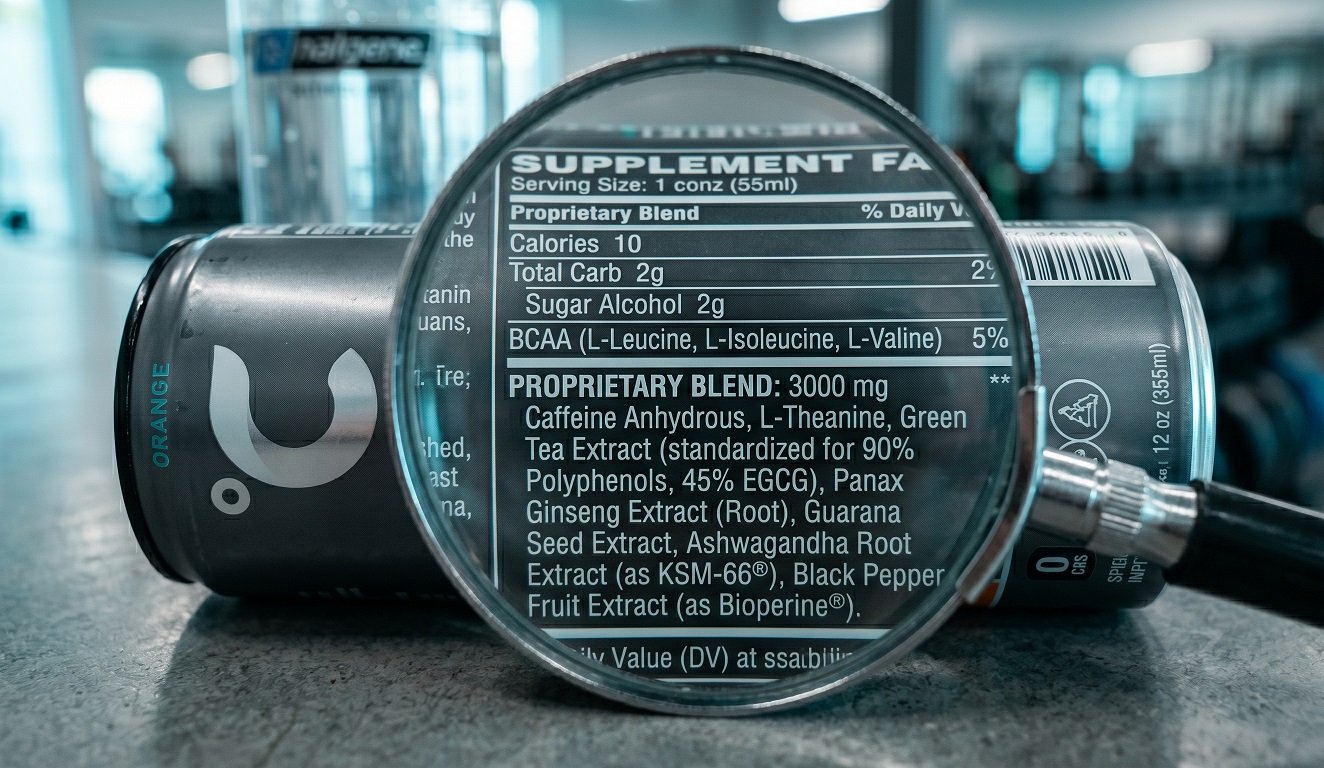
A standard 12 oz Celsius Live Fit contains 200mg of caffeine anhydrous, a processed and highly concentrated form of caffeine. That is roughly the same as two standard 8 oz cups of drip coffee, more than double what you would get from a can of Red Bull (80mg). Monster Energy clocks in at 160mg, but that comes in a 16 oz can, which actually works out to less caffeine per ounce than Celsius.
The caffeine in Celsius is real, it is well-studied, and it works. It is also doing the vast majority of the heavy lifting of everything this drink claims to do.
Beyond caffeine, Celsius contains a full B vitamin complex: riboflavin (B2), niacin (B3), pantothenic acid (B5), pyridoxine (B6), biotin (B7), and cyanocobalamin (B12), plus vitamin C, chromium, and calcium. The B vitamins are where the “energy production” marketing language lives, and it deserves some scrutiny.
B vitamins are cofactors in the metabolic reactions your body uses to produce ATP (the fuel your cells run on). They facilitate that process. They do not accelerate it. If you are not deficient in B vitamins (and most people who eat a reasonably varied diet are not), supplementing with more does not meaningfully increase your energy output.
You are, in most cases, paying for expensive urine.
The MetaPlus proprietary blend is where it gets more complicated: taurine, guarana extract, glucuronolactone, ginger root extract, and green tea leaf extract standardized to 15% EGCG. These are the ingredients Celsius points to when it talks about thermogenesis and metabolic acceleration. The evidence behind them varies considerably, and there is a transparency problem with every single one of them that the next section addresses directly.
One number worth paying attention to before moving on: the niacin content. A standard Celsius contains approximately 20mg of niacin per can. The National Academy of Medicine sets the adult tolerable upper intake level for niacin at 35mg per day.
Two cans of Celsius in a single day puts you at 40mg from the drinks alone, before accounting for the niacin you are already getting from meat, fish, poultry, and fortified foods. That upper limit exists for a reason, and it is closer than most people realise when they reach for a second can.
Caffeine, B Vitamins, and the MetaPlus Blend
The MetaPlus blend is the part of the Celsius label that does the most marketing work and provides the least verifiable information. It contains six ingredients: taurine, guarana extract, caffeine anhydrous, glucuronolactone, ginger root extract, and green tea leaf extract standardized to 15% EGCG. Here is what each one actually is, and what the evidence says it does.
Taurine is an amino sulfonic acid found naturally in meat and fish. It shows up in almost every energy drink on the market, usually on the strength of a handful of small studies suggesting modest benefits for neurological function and antioxidant activity. The human performance evidence is thin. It is not harmful at typical beverage doses, but it is not doing very much either.
Guarana extract deserves more attention than it usually gets on an ingredient label. The seed contains roughly four times the caffeine of coffee beans by dry weight, which means the guarana in your Celsius is delivering additional caffeine on top of the 200mg already listed.
How much additional? That is the problem: the label does not say. The 200mg figure accounts only for the caffeine anhydrous. The guarana’s caffeine contribution is unlisted and uncalculated, which means the true total caffeine per can is higher than 200mg by an unknown amount. For anyone managing their caffeine intake carefully, that is a meaningful gap.
Note: If you are tracking your daily caffeine intake, the 200mg on the Celsius label is not the complete picture. Guarana seed contains its own caffeine that is not separately counted on the label, meaning your actual intake per can is higher than advertised by an unknown amount.
Glucuronolactone is a naturally occurring metabolite of glucose that has been added to energy drinks since the 1990s based on claims it boosts mental performance and reduces fatigue. The human evidence for those claims is, to be direct about it, essentially nonexistent. The ingredient became popular partly through a widely circulated myth that it was developed by the US military or banned by the German air force during World War II.
Neither claim is true. What is true is that glucuronolactone is not harmful at typical doses, and it is also not doing anything measurable for your performance.
Ginger root extract is primarily an anti-nausea and anti-inflammatory agent. At the doses found in a beverage, it is not a meaningful thermogenic ingredient and is not contributing to the energy or metabolism claims on the can. It is most likely present for digestive support and, to some extent, flavoring.
Green tea leaf extract, standardized to 15% EGCG (epigallocatechin-3-gallate), is the most functionally significant non-caffeine ingredient in the MetaPlus blend, and also the one with the most nuanced safety profile. EGCG works by inhibiting an enzyme called catechol-O-methyltransferase, which normally breaks down norepinephrine. When that breakdown is slowed, norepinephrine stays active longer, which supports thermogenesis and modest fat oxidation.
The mechanism is real and well-documented. The real-world effect at consumer doses is small, roughly 80 to 100 additional calories burned over three hours in some studies, and that is before accounting for the fact that Celsius does not disclose how much EGCG is actually in each can.
That last point matters more than it might seem. The “standardized to 15% EGCG” notation on the label tells you the concentration of the extract, not the amount of extract in the can. Without knowing how much green tea leaf extract is present, the 15% figure tells you nothing about your actual EGCG dose. It sounds precise. It is not.
And as the next section explains, the safety implications of that gap are not trivial.
What the Label Does Not Tell You
Here is the consumer transparency problem with Celsius stated plainly: the MetaPlus proprietary blend lists six ingredients with zero individual dose information. You know taurine is in there. You know guarana is in there. You know green tea leaf extract is in there. What you do not know, and cannot find out from the label, is how much of any of them you are getting per can.
This is not an accident, and it is not illegal. The FDA does not require manufacturers to disclose individual ingredient amounts within a proprietary blend. For beverages specifically, the rules are even more permissive than for dietary supplements.
Celsius is sold as an energy drink, not a supplement, which places it in a regulatory category with fewer labeling requirements. The result is that a consumer trying to evaluate whether the EGCG dose in Celsius is large enough to have the thermogenic effect the brand claims, or small enough to avoid the hepatotoxicity risk documented in the medical literature, has no way to do that. The information simply does not exist on the label.
The “standardized to 15% EGCG” language is worth examining closely because it sounds like a precise disclosure but functions as something closer to misdirection. That notation tells you the concentration of the green tea extract, not the quantity of extract in the can. If Celsius included 10mg of green tea extract standardized to 15% EGCG, you would get 1.5mg of EGCG. If it included 500mg, you would get 75mg.
The label gives you no way to calculate which scenario is closer to reality. Celsius’s own website states that the EGCG in its drinks is “just as safe as a home-brewed cup of green tea,” a claim that cannot be independently verified precisely because the dose is undisclosed.
Without knowing where Celsius sits on that spectrum, a consumer has no real basis for assessing either the efficacy or the safety of the ingredient.
Clinical studies showing thermogenic benefits from EGCG typically use doses between 270mg and 600mg per day. Case reports of EGCG-associated liver injury have been documented at intakes from 140mg per day upward. Without knowing where Celsius sits on that spectrum, a consumer has no real basis for assessing either the efficacy or the safety of the ingredient.
In practice, that gap affects real consumption decisions for real people.
For context, Celsius sits below the voluntary transparency standard set by several direct competitors. Reign Total Body Fuel discloses individual ingredient doses on its label. Ghost Energy lists each active ingredient amount. Alani Nu, which Celsius Holdings acquired in 2024, provides full label disclosure of its key ingredients.
Celsius’s own corporate family includes a brand that is more transparent than Celsius itself.
The pattern here connects directly to the citric acid lawsuit settled in 2023, which the article covers in detail later. In both cases, the mechanism is the same: Celsius benefits from information asymmetry with its consumers. The “no preservatives” claim obscured what citric acid was doing in the formula. The proprietary blend conceals what individual ingredients are doing at what doses.
These are not isolated incidents of imprecise labeling. They are a consistent approach to disclosure that prioritises the brand’s marketing interests over the consumer’s ability to make a fully informed choice.
Who Should Think Twice Before Drinking Celsius
The answer to whether Celsius is bad for you changes considerably depending on who you are. For a healthy adult in their thirties with no underlying conditions, drinking one can before a workout is a very different proposition than it is for a teenager, a pregnant woman, or someone managing a heart condition.
This section is about drawing those lines clearly, with the evidence behind each one, so you can place yourself accurately.
The populations that face genuinely elevated risk from Celsius break down into three broad categories: those for whom the caffeine load alone is the primary concern, those for whom the combination of caffeine with other stimulant ingredients or medications creates compounding risk, and those for whom the EGCG and niacin content introduce hepatic considerations that most consumer coverage of this drink does not address at all.
People with cardiovascular conditions sit at the top of the caution list. This covers a wide range of diagnoses: atrial fibrillation, supraventricular tachycardia, hypertrophic cardiomyopathy, and uncontrolled hypertension all warrant serious caution or outright avoidance.
A 2019 randomised controlled trial published in the Journal of the American Heart Association found that acute consumption of 32 oz of a caffeinated energy drink significantly prolonged the QTc interval compared to placebo. QTc prolongation is a known risk factor for dangerous arrhythmias. The study used 32 oz, roughly the equivalent of nearly three standard Celsius cans, so its findings should not be directly extrapolated to a single can, but they document a mechanism that exists and compounds with pre-existing cardiac vulnerability.
People on certain medications face a different but overlapping risk. Caffeine combined with stimulant ADHD medications such as Adderall, Vyvanse, or Ritalin produces additive CNS stimulation: elevated heart rate, hypertension, and heightened anxiety are the common manifestations.
The combination with MAOIs is more serious still. MAOIs inhibit the enzymes that metabolise caffeine, effectively increasing its active duration and dose. If you are on any of these medications, the 200mg in a Celsius can is not the same 200mg it is for someone who is not.
People with liver conditions, including non-alcoholic fatty liver disease, hepatitis, cirrhosis, or alcohol use disorder, face elevated risk from both the EGCG and the niacin in Celsius. The liver metabolises both compounds, and compromised hepatic function reduces the margin of safety for each. If your liver is already under strain, adding a daily source of concentrated green tea extract and 20mg of niacin is not a neutral act.
Pregnant and breastfeeding women occupy a clear category. The American College of Obstetricians and Gynecologists recommends keeping caffeine intake below 200mg per day during pregnancy. A single standard Celsius contains 200mg of caffeine anhydrous before the additional caffeine from guarana is counted.
That places one can at or above the recommended ceiling in a single drink, with no buffer remaining for coffee, tea, chocolate, or any other dietary source. Avoiding Celsius entirely during pregnancy and breastfeeding is the practical conclusion.
A population that gets far less attention than it deserves is people who consume Celsius during intermittent fasting windows. EGCG bioavailability is significantly elevated in a fasted state. A published case report in the Pathology Journal (2023) documented acute liver failure secondary to green tea extract, with fasting identified as a potentiating factor.
The USP specifically warns on green tea extract products: “Take with food. Do not take on an empty stomach.” Celsius is heavily marketed to the fitness and fasting community, yet the combination of EGCG and a fasted state is precisely the scenario that has appeared in liver injury case reports. This is an underreported risk that the brand’s own marketing positioning makes more likely to occur.
Caffeine Load and Cardiovascular Considerations
Two hundred milligrams of caffeine sounds like a precise and manageable number until you put it in context. The FDA considers 400mg per day safe for most healthy adults. The average American already consumes approximately 200mg of caffeine daily through coffee, tea, and food.
One standard Celsius, before you have had anything else, puts you at your entire daily average in a single can. Add a medium drip coffee (roughly 95 to 165mg) and you are close to the FDA’s ceiling before noon. Add a large Starbucks drip, which runs around 330mg, and you have exceeded it.
For healthy adults without cardiac conditions, this arithmetic is a reason for awareness, not alarm. The cardiovascular story changes for people with pre-existing conditions or for those who exercise intensely immediately after drinking Celsius, which is precisely the use case the brand markets most aggressively.
Caffeine raises heart rate and blood pressure through two mechanisms. First, it blocks adenosine receptors, the receptors responsible for signalling tiredness and slowing the heart rate. When adenosine is blocked, the heart rate rises. Second, caffeine stimulates adrenergic activity, causing vasoconstriction (the narrowing of blood vessels) and elevating both systolic and diastolic blood pressure.
A sustained 2 mmHg increase in systolic blood pressure is associated with a 7% higher risk of ischemic heart disease mortality, according to data published in the Journal of the American Heart Association. That is a small absolute number with a meaningful implication when multiplied across daily use over years.
The QTc interval is the electrical measurement that has drawn the most clinical attention in the energy drink literature. It represents the time it takes for the heart’s lower chambers to electrically reset between beats. When that interval is prolonged, the risk of a dangerous arrhythmia, specifically a type called torsades de pointes, increases.
The 2019 JAHA randomised controlled trial found that consuming 32 oz of a caffeinated energy drink significantly prolonged the QTc interval compared to a placebo drink. Thirty-two ounces is a large amount, equivalent to nearly three standard Celsius cans, and the study should not be read as proof that one Celsius will trigger an arrhythmia in a healthy person. What it documents is that the mechanism exists at high doses and that energy drinks are not cardiovascularly inert.
Tip: If you are stacking Celsius with a pre-workout powder that also contains caffeine, calculate your combined dose before your next session. Two products at 150–200mg each puts you at or over the FDA daily limit before accounting for any other caffeine in your day.
The exercise amplification effect is underappreciated. Intense physical exercise independently raises heart rate, blood pressure, and the heart’s demand for oxygen. Celsius markets itself specifically as a pre-workout drink, which means the intended use case is consuming 200mg of caffeine immediately before a cardiovascular stressor.
For people with undiagnosed susceptibility to arrhythmia, supraventricular tachycardia can present for the first time in apparently healthy young adults, and this combination creates a risk context the marketing material does not acknowledge.
The practical guidance here is not “avoid caffeine before exercise.” Moderate caffeine before physical activity is well-supported by the evidence as a performance aid. The guidance is more specific: if you have a diagnosed cardiac condition, check with your cardiologist before adding 200mg of caffeine to your pre-workout routine. If you have ever experienced palpitations or chest discomfort during exercise, those symptoms warrant investigation before adding a stimulant.
Stacking Celsius with a pre-workout powder that also contains caffeine is a particularly common scenario where total dose climbs well above what either label suggests individually.
Liver Health: What the Adverse Event Data Actually Shows
The liver health conversation around energy drinks is one that most mainstream coverage either ignores entirely or frames as social media panic. In practice, the picture is more specific than either of those treatments: there are documented mechanisms and published case reports linking concentrated green tea extract and high niacin intake to liver injury, the evidence is real and graded by credible bodies, and the risk profile changes considerably based on how much you drink, how often, and under what conditions.
The NIH’s LiverTox database, which tracks drug and supplement-induced liver injury, rates green tea extract with a Likelihood Score of A: a well-established cause of clinically apparent liver injury. That is the highest certainty rating the database assigns. The mechanism involves EGCG generating reactive oxygen species in liver cells, creating oxidative stress that damages hepatic tissue.
It is worth being precise about what this means and what it does not. The hepatotoxicity cases in the literature are almost universally associated with concentrated green tea extract supplements, not with drinking brewed green tea. The question for Celsius consumers is which category the drink’s undisclosed EGCG dose falls into.
Celsius’s own position is that the EGCG in its drinks is equivalent in safety to a home-brewed cup of green tea. As established in the previous section, that claim cannot be independently verified because the dose is not disclosed. What the European Food Safety Authority has established is a clear distinction between brewed green tea (safe at typical preparation doses) and concentrated green tea extract (safety concerns at supplement-level doses). Celsius, by formulation, sits closer to the extract category than to the brewed tea category.
A 2023 case report published in the Pathology Journal documented acute liver failure secondary to green tea extract consumption, with fasting identified as a specific potentiating factor. Research has shown that EGCG serum levels rise more than fivefold when taken in a fasted state compared to a fed state.
The USP has issued specific cautionary labeling for green tea extract products: “Take with food. Do not take on an empty stomach.”
The USP has issued specific cautionary labeling for green tea extract products: “Take with food. Do not take on an empty stomach.” This finding is directly relevant to the large segment of Celsius’s target audience that consumes the drink during intermittent fasting windows.
A genetic factor adds another layer of complexity that most consumers are unaware of. Research published in Hepatology in 2020 identified a strong association between the HLA-B*35:01 genetic allele and green tea extract-induced liver injury. People who carry this allele appear to face significantly higher risk of hepatic injury from EGCG, and re-exposure after an initial injury episode causes rapid recurrence.
Most people do not know whether they carry this allele. There is no consumer-facing test for it. The practical implication is that a subset of Celsius drinkers faces a meaningfully elevated hepatic risk that they have no way of identifying in advance.
Niacin presents a separate but related concern. Published case reports have documented energy drink-induced hepatitis in heavy consumers, with niacin identified as the likely causative agent. A BMJ case report described a previously healthy adult who developed jaundice, abdominal pain, and nausea after consuming four to five energy drinks per day, each containing 40mg of niacin, for a daily total of 160 to 200mg.
The authors noted this was below the threshold typically expected to cause toxicity, and yet the clinical picture was consistent with niacin-induced liver injury. Two cans of Celsius per day delivers approximately 40mg of niacin from the drinks alone, before dietary intake is added.
Single case reports document association, not causation, and should not be read as proof that Celsius will damage your liver. The mechanism-based evidence from laboratory studies is strong, and the NIH’s A rating for green tea extract is meaningful, but the population-level epidemiological evidence linking daily energy drink consumption specifically to liver disease at scale is limited.
For healthy adults drinking one Celsius occasionally, the hepatic risk is likely negligible. For daily consumers stacking multiple cans, for people with pre-existing liver conditions, and for anyone consuming Celsius in a fasted state, the risk picture is meaningfully less clear, and the absence of dose disclosure makes it impossible to quantify with precision.
Age-Specific Guidance for Teens and Adolescents
If you are a parent trying to figure out whether Celsius is bad for you to have in the house, or a teenager wondering whether the can you drink before school is actually fine, the answer from every major paediatric health authority is the same: energy drinks should not be consumed by anyone under 18. Not in moderation. Not occasionally.
The American Academy of Pediatrics uses the word “never,” and the reasoning behind that position is grounded in developmental physiology, not adult risk thresholds scaled down.
Start with the dose math. The AAP’s recommended caffeine maximum for teens aged 12 to 18 is 100mg per day, roughly equivalent to one cup of coffee. A single standard Celsius contains 200mg of caffeine anhydrous, before counting the additional caffeine from guarana. One can of Celsius doubles the maximum daily caffeine intake the AAP considers safe for the oldest teenagers.
A 16-year-old drinking one Celsius before school has consumed, in a single drink, twice what any paediatric health body would sanction for the entire day.
The adolescent cardiovascular system is not a smaller version of an adult one. It is a still-developing system that has not reached full structural and functional maturity, which typically occurs in the early-to-mid twenties. Caffeine’s effects on QTc interval prolongation and arrhythmia risk, documented in adults at high doses, are amplified in a system that has not fully developed the regulatory capacity to buffer those effects.
ER visits for caffeine-related adverse events in middle school children more than doubled between 2017 and 2023, according to Harvard Health data, a period that correlates directly with energy drinks’ rise in teen culture.
Body mass is a factor that rarely gets discussed in this context. A 120-pound teenager drinking the same can as a 220-pound adult is receiving nearly double the caffeine dose on a per-kilogram basis. Drug dosing in clinical medicine is weight-adjusted precisely because body mass determines how a substance distributes and clears through the body.
Energy drink marketing does not adjust for body mass. The can that delivers a manageable caffeine load for a 200-pound adult delivers a meaningfully larger physiological hit to a 110-pound teenager.
Neurological development introduces a longer-term concern that is less well-established but worth naming. The prefrontal cortex, the brain region responsible for impulse control, decision-making, and emotional regulation, continues developing until approximately age 25. Stimulant use during this window may affect dopamine system development, based on preliminary evidence from research into stimulant medications in adolescents. This is not established causal science in the context of caffeine specifically, but it is a reason for caution that extends beyond the acute cardiovascular risk.
Caffeine’s half-life is five to six hours, which makes the timing of consumption more consequential for teens than most people realise. A Celsius consumed at 3pm still has half its caffeine active at 8 or 9pm, which is precisely when adolescent sleep should be initiating. Chronic sleep disruption at this life stage has well-documented downstream effects on learning consolidation, mental health, metabolic function, and academic performance.
Many teens are not drinking Celsius as a workout supplement. They are drinking it to get through the school day or study session, which makes afternoon and evening consumption common rather than occasional.
Physical dependence is the final piece of this picture. Regular daily caffeine use creates physical dependence, and withdrawal symptoms including headaches, irritability, and fatigue are real and disruptive. Student journalists have documented teens who report being unable to function without their daily Celsius.
The brand’s positioning as a fitness and academic performance tool actively encourages the use pattern most likely to create dependence in a population whose developing neurological systems are more susceptible to it. For anyone under 18, the practical recommendation is straightforward: choose water, adequate sleep, and consistent nutrition before reaching for a stimulant to solve an energy problem.
The Celsius Lawsuit and the Transparency Problem
In November 2021, three consumers filed a class action lawsuit against Celsius Holdings Inc. The allegation was specific: Celsius had been advertising its drinks as containing “no preservatives” while including citric acid in the formula, and the FDA classifies citric acid as a preservative.
“The defendant’s purported intent to use citric acid for flavoring has no bearing on the function of citric acid as a preservative.”
The lawsuit was not ambiguous about what it claimed. “The defendant’s purported intent to use citric acid for flavoring has no bearing on the function of citric acid as a preservative,” the plaintiffs argued. The function exists regardless of the stated intent.
Celsius settled the case in April 2023 for $7.8 million without admitting wrongdoing. As part of the settlement, the company agreed to remove the “no preservatives” claim from all marketing and labeling. Consumers who purchased covered Celsius products between January 2015 and November 2022 were eligible for compensation: $1 per can, $5 per 14-pack of powder, up to $250 with proof of purchase, or $20 without.
The covered products included Celsius Live Fit, Celsius Heat, Celsius BCAA+Energy, and Celsius powder drinks.
The phrase “settled without admitting wrongdoing” is one of the more misleading constructions in American legal language. It does not mean the defendant was innocent, or that the court found the claims unsubstantiated. It means the defendant calculated that paying $7.8 million and changing its labeling was a better outcome than continuing to litigate.
Celsius paid the money. Celsius changed the label. The “no preservatives” claim is gone. What a reasonable consumer makes of that sequence of events is their own judgement to reach.
The citric acid case is not the end of Celsius’s legal story. As of 2026, a separate class action is active alleging that Celsius Live Fit energy drinks are misbranded and unlawfully marketed without FDA approval. That case is ongoing. Additionally, a Florida jury ordered Celsius Holdings to pay $82 million to rapper Flo Rida after the company was found to have violated an endorsement agreement from 2014 to 2018.
That verdict does not speak to consumer safety, but it is part of a broader picture of a company facing sustained legal challenge across multiple fronts simultaneously.
Both the citric acid lawsuit and the proprietary blend disclosure gap share the same underlying mechanism: Celsius made marketing claims that benefited from consumers not knowing something. “No preservatives” benefited from consumers not knowing that citric acid functions as a preservative regardless of how the company labels its intent. The proprietary blend benefits from consumers not knowing how much of each ingredient they are getting per can.
In both instances, the information asymmetry worked in the brand’s commercial favour.
Whether this makes Celsius uniquely untrustworthy is a judgement call. Proprietary blends are an industry-wide practice permitted under FDA rules, and many supplement and energy drink brands use them. The citric acid lawsuit was more brand-specific: competitors have not faced equivalent class actions over this particular claim. What the combination of these two issues establishes is that when asking whether Celsius is bad for you, the answer depends partly on having accurate information, and Celsius has a documented history of making that harder than it should be.
Celsius and Hydration: What You Need to Know
Celsius does not count as water. This is worth stating plainly because a meaningful number of people who drink it regularly treat it as hydration, particularly around workouts, and that misunderstanding compounds quietly over time.
A standard 12 oz can of Celsius contains approximately 355ml of fluid, which is a net positive contribution to your daily intake. But it is not the same as 355ml of water, and the difference matters more than the marketing suggests.
Caffeine is a mild diuretic, meaning it causes the kidneys to excrete slightly more water than they otherwise would. The scientific literature has largely debunked the older claim that caffeine fully cancels out the fluid you consume, and a 2014 PLOS ONE study found that moderate daily coffee consumption does not negatively impact overall fluid balance. The Mayo Clinic and Cleveland Clinic both take a similar position: caffeinated drinks at moderate doses do not dehydrate you.
What the research does show is that approximately 300mg of caffeine causes around 100ml of additional urine output. A standard Celsius delivers 355ml of fluid and at least 200mg of caffeine. The net hydration contribution is roughly positive 255ml per can, real but less than the equivalent volume of plain water.
A subtler issue for regular consumers is the dehydration-fatigue loop that Celsius can create without anyone noticing it is happening. Even mild dehydration of 1 to 2% of body weight is enough to produce symptoms that mimic low energy: fatigue, reduced concentration, and headache. Someone who feels tired reaches for a Celsius, gets a caffeine hit that resolves the immediate symptom, but the mild diuretic effect maintains a baseline of slight underhydration.
The next day the fatigue returns, the pattern repeats, and the caffeine comes to feel essential when in part it is treating a problem it is also perpetuating. This is not a universal experience, but it is a plausible mechanism for some of the perceived dependence that regular Celsius drinkers report.
The exercise context adds specific considerations worth naming. Celsius does not contain electrolytes relevant to hydration replacement. There is no meaningful sodium, potassium, or magnesium in the formula. After a workout in which you have lost fluid and electrolytes through sweat, a Celsius is not replacing what exercise took out. It is delivering caffeine and some B vitamins.
For recovery hydration after moderate to intense exercise, water with an electrolyte source is the appropriate tool, not a carbonated energy drink.
Carbonation itself is worth a brief note. The standard Celsius formulation is carbonated, and carbonated beverages consumed in volume quickly before or during exercise can cause gastric discomfort, bloating, and cramping in some people. This is not a universal effect, but it is a practical consideration for athletes who drink Celsius immediately before a session and then wonder why their stomach is unhappy fifteen minutes in.
The practical framework is simple. Drink one additional 8 to 16 oz of water for each can of Celsius you consume, particularly around physical activity or in hot weather. Do not count Celsius toward your daily water target. Think of it as a caffeine supplement that happens to contain fluid, not a hydration vehicle that also happens to contain caffeine. The distinction matters most for people who are active, who sweat regularly, or who are already prone to underdrinking water during a busy day.
Celsius vs Other Energy Drinks: A Honest Comparison
The most common defence of Celsius is comparative: it has no sugar, unlike Red Bull Original (27g) or Monster Energy (54g in a 16 oz can). That comparison is accurate and meaningful. It is also, on its own, a low bar.
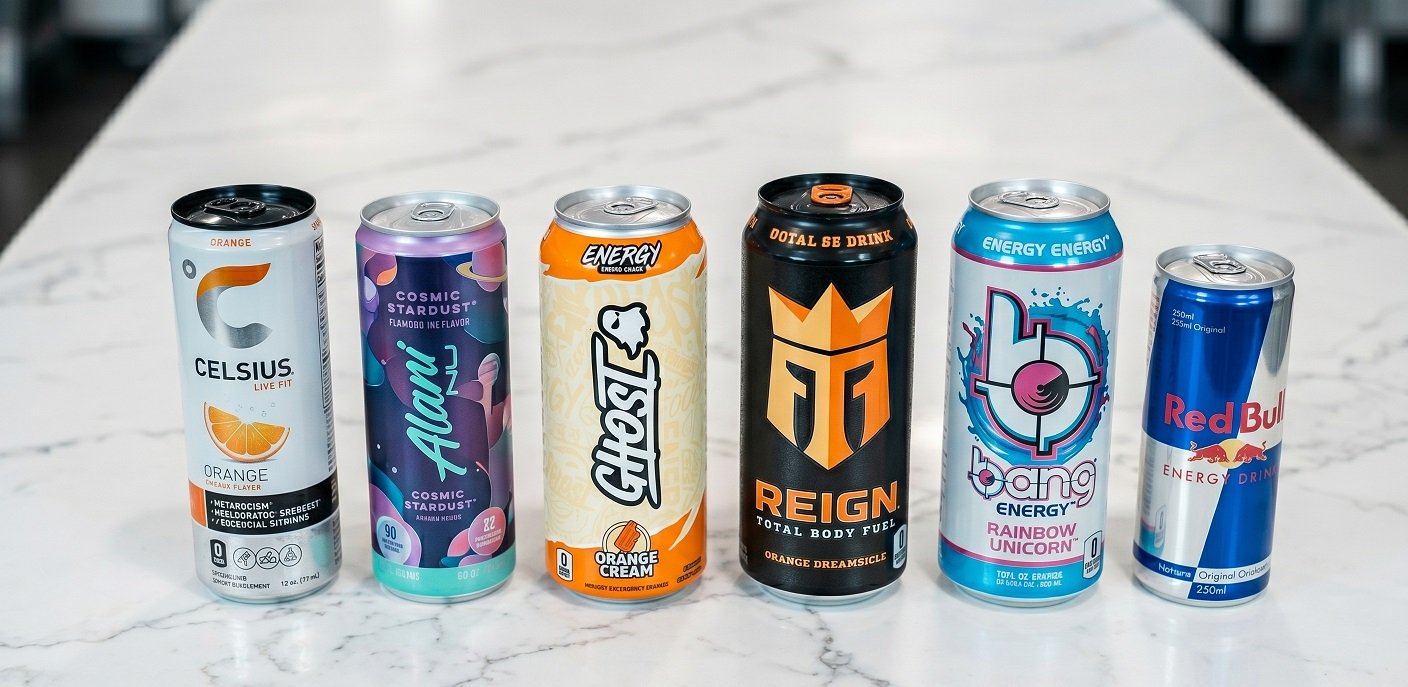
Asking whether Celsius is bad for you by comparing it to a drink with 54 grams of sugar is like evaluating a dietary choice by pointing out that it is better than a worse option. Better than Monster is not the same as good.
The more useful comparison is against the full field of products Celsius is actually marketed against: the wellness-positioned, zero-sugar energy drinks competing for the same consumer.
| Product | Caffeine | Sugar | Label transparency | Serving size |
|---|---|---|---|---|
| Celsius Live Fit | 200mg | 0g | Proprietary blend (no individual doses) | 12 oz |
| Alani Nu | 200mg | 0g | Full label disclosure | 12 oz |
| Ghost Energy | 200mg | 0g | Full label disclosure | 12 oz |
| Reign Total Body Fuel | 300mg | 0g | Individual doses disclosed | 16 oz |
| Bang Energy | 300mg | 0g | Full label disclosure | 16 oz |
| Red Bull Original | 80mg | 27g | Standard disclosure | 8.4 oz |
| Monster Energy | 160mg | 54g | Standard disclosure | 16 oz |
Against this competitive set, the caffeine parity is immediately apparent. Celsius is not uniquely high in caffeine relative to its actual market. What distinguishes it is the proprietary blend and the resulting absence of individual dose information.
Serving size manipulation is worth flagging before any caffeine comparison is taken at face value. Reign and Bang list 300mg of caffeine, which looks substantially higher than Celsius’s 200mg until you normalise for serving size. Celsius delivers 200mg in 12 oz, approximately 16.7mg per ounce. Reign delivers 300mg in 16 oz, which is 18.75mg per ounce.
The per-ounce caffeine density of Reign is barely higher than Celsius. Comparing headline numbers without normalising for volume consistently understates Celsius’s caffeine concentration relative to its competitors.
On label transparency, Celsius is the clear outlier in the wellness-positioned tier. Alani Nu, Ghost Energy, Reign, and Bang all disclose individual active ingredient amounts. Celsius uses a proprietary blend with no individual doses. The irony here is notable: Celsius Holdings acquired Alani Nu in 2024, making Alani Nu part of the same corporate family. The company that owns Celsius also owns a direct competitor that outperforms Celsius on the transparency standard that Celsius itself fails to meet.
The traditional competitors tell a different story. Red Bull Original contains 80mg of caffeine in 8.4 oz and 27g of sugar. Monster Energy contains 160mg of caffeine and 54g of sugar in a 16 oz can, which normalises to 10mg of caffeine per ounce, significantly less than Celsius. These drinks have higher sugar loads and lower caffeine density than Celsius, but they also do not claim to be fitness or wellness products.
Their marketing does not position them as thermogenic metabolism accelerators. The gap between what Celsius claims to be and what the evidence supports is a larger problem than the gap between Celsius and Monster on sugar content.
Price-per-serving adds a practical dimension. Celsius typically retails at approximately $2.50 to $3.50 per can. Red Bull runs $2.00 to $2.50. Alani Nu is similar to Celsius at around $2.50. Purpose-built pre-workout powders, which disclose individual ingredient doses and typically include creatine, beta-alanine, and full-dose citrulline at clinically studied amounts, cost approximately $0.75 to $1.50 per serving.
If the actual goal is workout performance rather than caffeine delivery in a convenient can, a transparent pre-workout powder at half the price delivers meaningfully more of what the evidence supports for exercise outcomes. Celsius is a reasonable caffeine vehicle. It is not a substitute for a purpose-built performance supplement, and the price premium relative to what you are actually getting in the can is worth factoring into the decision.
Celsius FAQ
Can you drink two Celsius per day?
Technically possible for a healthy adult with no other caffeine intake, but not a practice the evidence supports as a daily habit. Two cans delivers 400mg of caffeine minimum before accounting for guarana’s additional caffeine contribution, which puts you at or over the FDA daily limit from the drinks alone.
Two cans also delivers approximately 40mg of niacin, exceeding the National Academy of Medicine’s adult tolerable upper intake level of 35mg before any dietary niacin is counted. For most people who are also drinking coffee, two Celsius per day is a meaningful overshoot on both caffeine and niacin. One is the sensible ceiling for daily use.
Does Celsius break an intermittent fast?
For most weight-loss or metabolic fasting goals, a standard Celsius probably does not break your fast in any meaningful sense. It contains approximately 10 calories and zero grams of carbohydrate or protein, which is unlikely to trigger a significant insulin response. For strict autophagy-focused fasting, any non-water intake may disrupt the process, and Celsius falls into that category.
What matters more practically for fasting Celsius consumers is not whether it breaks the fast but what it does to EGCG bioavailability. Taking green tea extract on an empty stomach significantly increases its serum levels, which is precisely the condition under which EGCG hepatotoxicity has been documented in case reports. If you fast and drink Celsius during that window, you are not just making a question about insulin. You are exposing your liver to a higher effective EGCG dose than you would get from the same can consumed with food.
Is Celsius safe during pregnancy?
No. The American College of Obstetricians and Gynecologists recommends keeping caffeine intake below 200mg per day during pregnancy, and one standard Celsius contains 200mg of caffeine anhydrous before guarana’s contribution is counted. That puts a single can at or above the recommended ceiling with zero margin remaining for coffee, tea, or any other dietary caffeine source.
Avoiding Celsius entirely during pregnancy is the straightforward recommendation, and the same applies during breastfeeding, since caffeine passes into breast milk.
Is Celsius a good pre-workout?
It depends on what you mean by pre-workout. Celsius delivers 200mg of caffeine, which is a well-evidenced performance aid for endurance, alertness, and perceived effort during exercise. For cardio or general gym sessions where caffeine is the primary thing you are looking for, Celsius is a reasonable vehicle.
It is not, however, a substitute for a purpose-built pre-workout supplement. Purpose-built pre-workouts typically include creatine (3,000 to 5,000mg), beta-alanine, and full-dose citrulline at the amounts that clinical research has actually studied. Celsius has none of those. If you are specifically training for strength or muscle performance and those ingredients matter to your goals, Celsius is a caffeinated drink that happens to come in a fitness-adjacent can, not a performance supplement.
What happens if you mix Celsius with alcohol?
This combination is one of the higher-risk uses of the product, and not because the two substances interact chemically in a dramatic way. Caffeine masks alcohol’s depressant effects, which means you feel more alert than your blood alcohol level warrants. You underestimate how intoxicated you are and continue drinking.
The FDA has categorised caffeine as an unsafe additive to alcoholic beverages based on exactly this mechanism, and products like Four Loko were reformulated or banned after widespread adverse events associated with caffeinated alcohol. Cardiovascular stress is also relevant: alcohol causes vasodilation while caffeine causes vasoconstriction, creating opposing forces that make the heart work harder. Avoid mixing Celsius with alcohol.
What are the long-term effects of drinking Celsius daily?
This is the question the current evidence cannot fully answer. No long-term randomised controlled trial on daily Celsius consumption exists. What the evidence does support is that daily caffeine use creates physical tolerance and dependence over time, with withdrawal symptoms including headaches and fatigue upon cessation.
Chronic daily EGCG and niacin exposure at the levels two or more cans per day would deliver has not been studied longitudinally, but the mechanism-based concerns from shorter-term data are real. Caffeine’s half-life of five to six hours means a daily afternoon Celsius is likely affecting sleep quality in ways that compound over months.
For most healthy adults asking whether Celsius is bad for you as a daily habit at one can, the acute risk is low and the long-term data is absent. For two or more cans daily over years, nobody knows, and that uncertainty itself is a reason for moderation.
The Verdict
So, is Celsius bad for you? For most healthy adults who drink one can a day, keep tabs on their total caffeine intake, and are not in any of the elevated-risk categories this article has covered, the answer is probably no.
Probably.
The uncertainty in that word is deliberate. Celsius is not a health drink. It is a caffeinated beverage with a wellness marketing identity, a proprietary blend whose individual doses cannot be independently verified, and a documented history of making labeling claims that did not survive legal scrutiny.
Better than Monster on sugar. Less transparent than Alani Nu on ingredients. At the caffeine ceiling for a healthy adult in a single can.
These are the honest coordinates. Not a poison, not a health supplement, not a substitute for water or sleep or a balanced diet. A caffeinated drink that works primarily because caffeine works, and that comes with real caveats for a meaningful subset of the people reaching for it.
The practical framework for a healthy adult is straightforward. One can per day is a defensible habit if you are monitoring your total daily caffeine, drinking it with food rather than in a fasted state, pairing it with adequate water, and not stacking it with other significant caffeine sources. Two cans daily as a regular practice is harder to defend. Celsius Heat at 300mg is a different calculation again, particularly if coffee is also part of your morning.
If you are under 18, pregnant, breastfeeding, managing a cardiac or liver condition, or taking medications that interact with stimulants, the calculus shifts considerably and the conservative answer is to avoid it or have a specific conversation with your doctor about your situation.
The seven things the can does not tell you, covered across this article, are the information you need to make that call with your eyes open. The brand’s job is to sell you the drink. Your job is to decide whether it fits your life. Now you have what you need to do that accurately.
Leave a Reply
You must be logged in to post a comment.