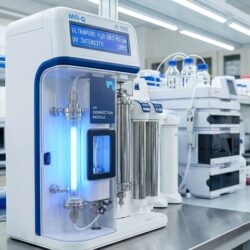
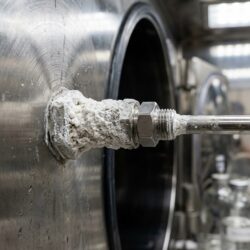
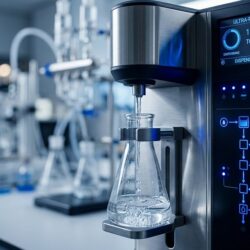
Choosing between TOC vs conductivity water quality testing depends on your specific application, sample type, and regulatory requirements. These two parameters are the most critical, most debated metrics in water purity monitoring.
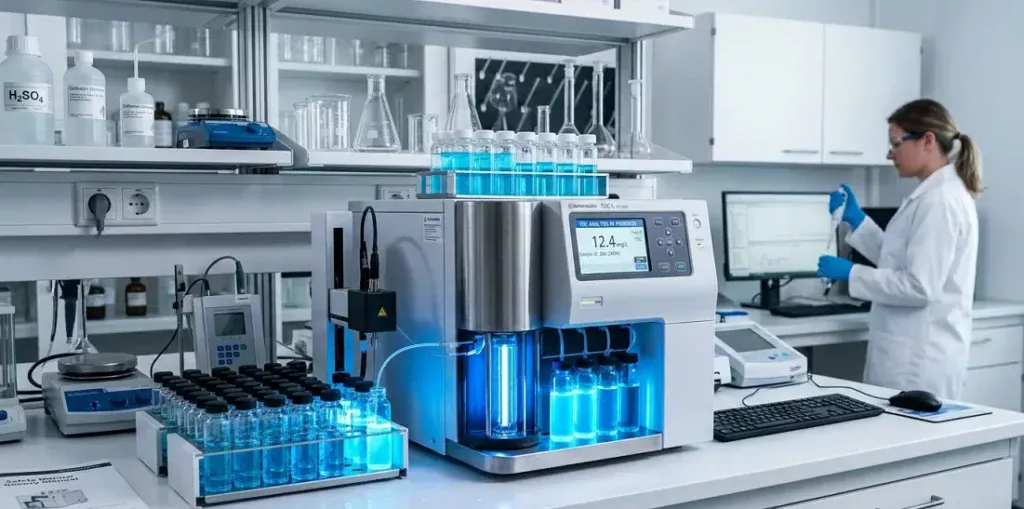
Get this decision wrong, and your entire quality control process is built on a blind spot you never knew existed.
What Is TOC and Why Does It Matter?
Total organic carbon water testing measures the concentration of organic compounds dissolved in water. Specifically, TOC detects carbon-based contaminants that conductivity simply cannot see.
Here is why that matters in real-world lab settings:
In my experience working with pharmaceutical-grade purification systems, a water sample can pass conductivity with flying colors and still carry dangerous levels of organic load. That gap is where patient safety risk lives.
Consequently, if your application involves any biological, pharmaceutical, or food-grade process, TOC is non-negotiable. For deeper context on how purification systems remove these organics, read What Is Reverse Osmosis in Water Treatment.
But here is the thing. TOC tells you nothing about dissolved salts or ionic contamination. That is where its rival steps in.
What Is Conductivity and What Does It Actually Measure?
Conductivity measurement water purity testing works by detecting how well water conducts an electric current. The higher the conductivity, the more dissolved ions are present. Specifically, it flags inorganic contaminants like salts, minerals, and dissolved ionic compounds.
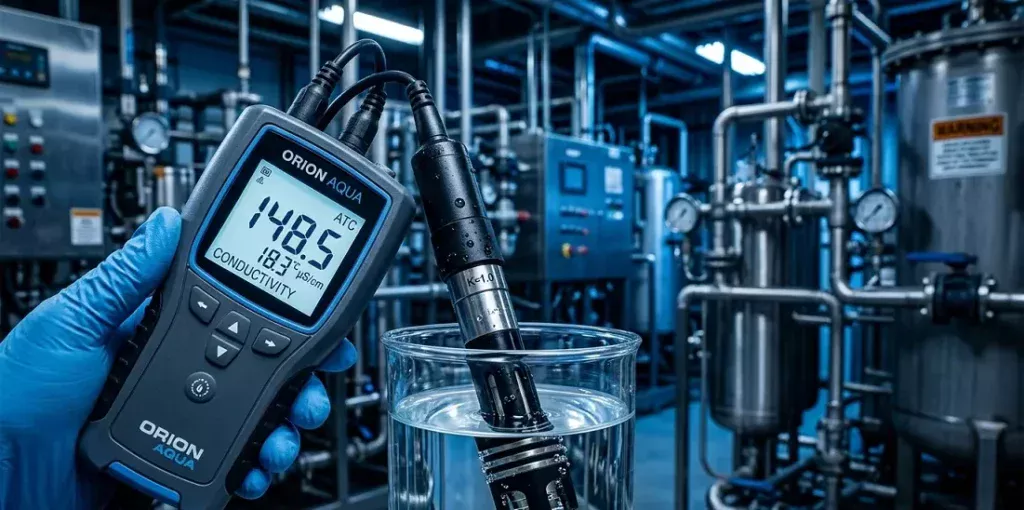
Conductivity excels in these scenarios:
The EPA recognizes conductivity as a reliable indicator of dissolved solids and ionic strength in water systems. It is fast, inexpensive, and brutally effective for inorganic contamination.
Therefore, for cooling towers, boilers, and general utility water, conductivity monitoring is your first line of defense. Learn how deionization compares to other purification methods in Deionized vs Distilled Water: The Technical Lab Verdict.
So conductivity sounds solid. But wait. It cannot detect a single organic molecule. And that blind spot can be catastrophic in the wrong application.
Head-to-Head: TOC vs Conductivity Compared
Here is the direct comparison every lab manager needs to see before making a decision on water quality monitoring parameters:
| Parameter | TOC | Conductivity |
|---|---|---|
| What it detects | Organic carbon compounds | Dissolved ions and salts |
| Response speed | Minutes (lab) to continuous | Instantaneous inline |
| Cost | Higher instrument cost | Low cost |
| Regulatory use | USP, FDA, ASTM | EPA, ASTM, ISO |
| Best application | Pharma, biotech, food-grade | Utility, semiconductor, industrial |
| Misses | Ionic contamination | Organic contamination |
| Industry standard | WFI, Purified Water | Cooling water, boiler feed |
According to ASTM International, both parameters serve defined roles in different water grade specifications. Neither replaces the other.
Second, notice the “Misses” row. That is the most important line in this table. Your choice of parameter is really a choice about which contamination type you can afford to be blind to.
Now that you see the full picture, the real question is which one belongs in your specific process.
Which One Should You Actually Use?
The answer depends entirely on your application. There is no universal winner in the TOC vs conductivity water quality debate.
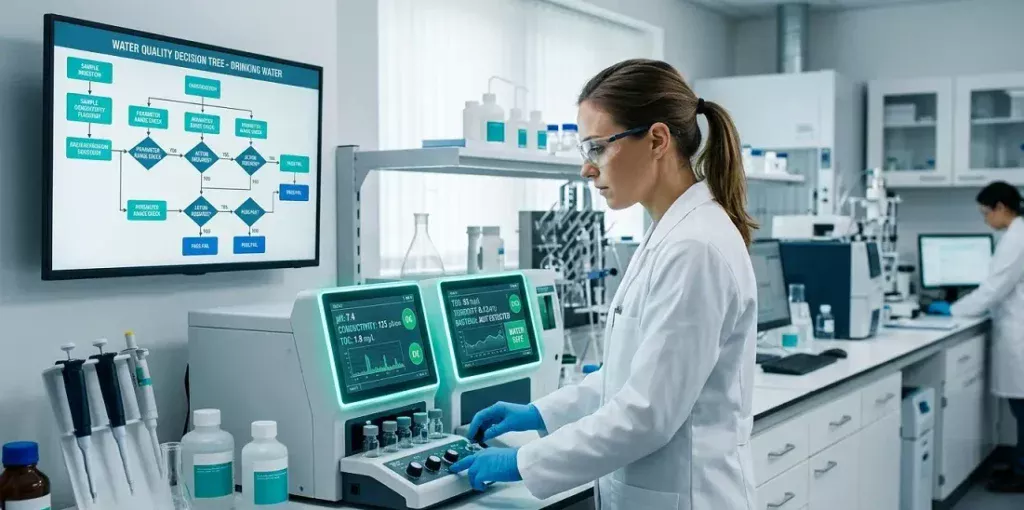
Use TOC as your primary metric if:
Use conductivity as your primary metric if:
For most regulated labs and pharmaceutical facilities, USP Chapter 1231 strongly supports dual monitoring. First you check conductivity as a fast-pass gate, then TOC as your definitive quality confirmation.
For a complete look at the systems that support both parameters, explore Laboratory Water Purification Systems.
Both metrics together give you complete coverage. Neither alone gives you certainty.
The Smart Play: Use Both Parameters Together
The most sophisticated water quality monitoring programs do not choose between TOC and conductivity. They run both. Consequently, you get complete contamination coverage across organic and inorganic threats.
Here is a simple dual-monitoring framework:
This approach is exactly what USP Chapter 1231 recommends for water systems in pharmaceutical manufacturing. It is also the framework used in leading biotech facilities worldwide.
The bottom line is this: conductivity tells you your water is ionically clean. TOC tells you your water is organically clean. You need both statements to be true before you can call your water genuinely pure.