
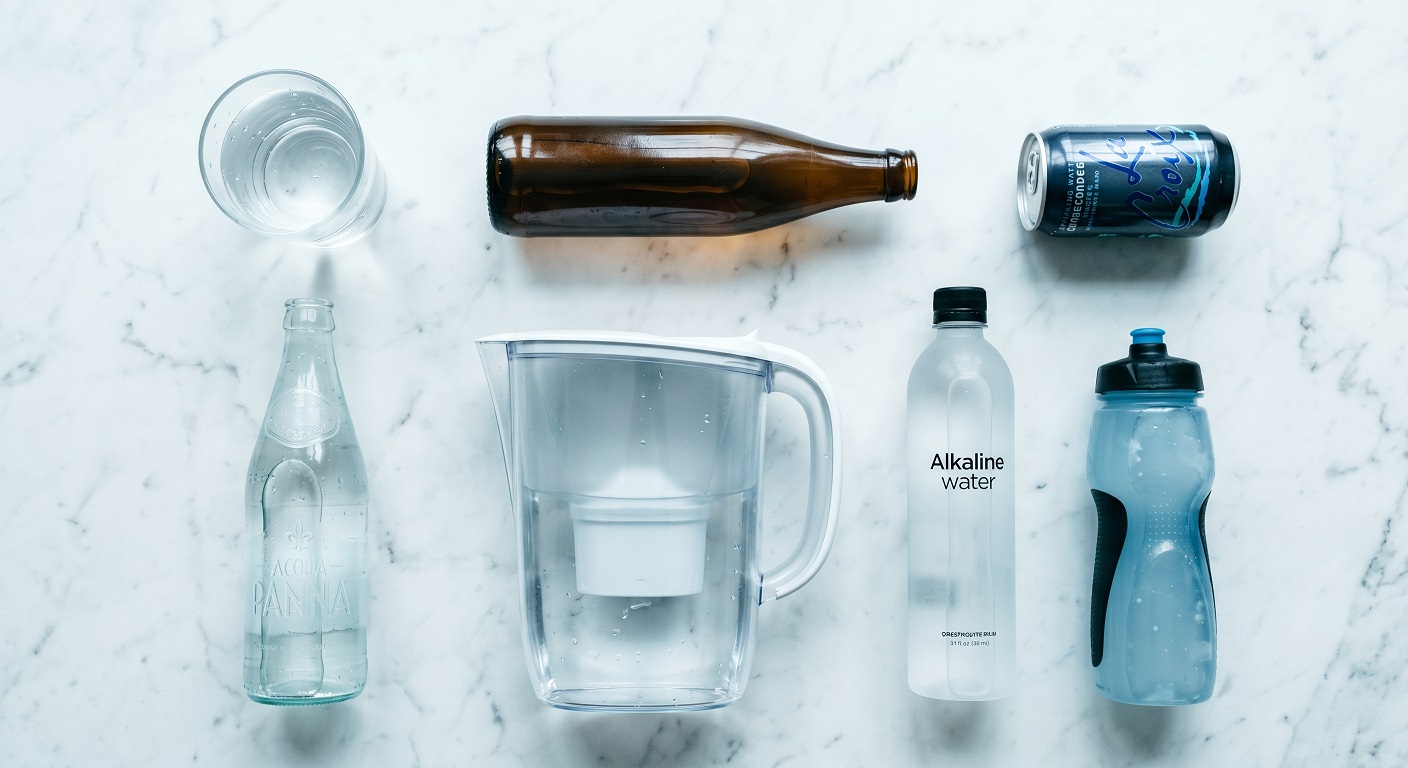
The water aisle can be genuinely confusing. Different types of water range from tap and spring to reverse osmosis, alkaline, and electrolyte varieties. Each has its own sourcing method, mineral profile, and trade-offs.
Some choices genuinely affect your mineral intake, contaminant exposure, and long-term health. Others are mostly marketing. This guide covers each water type so you can decide what fits your situation, budget, and health priorities.
Tap Water
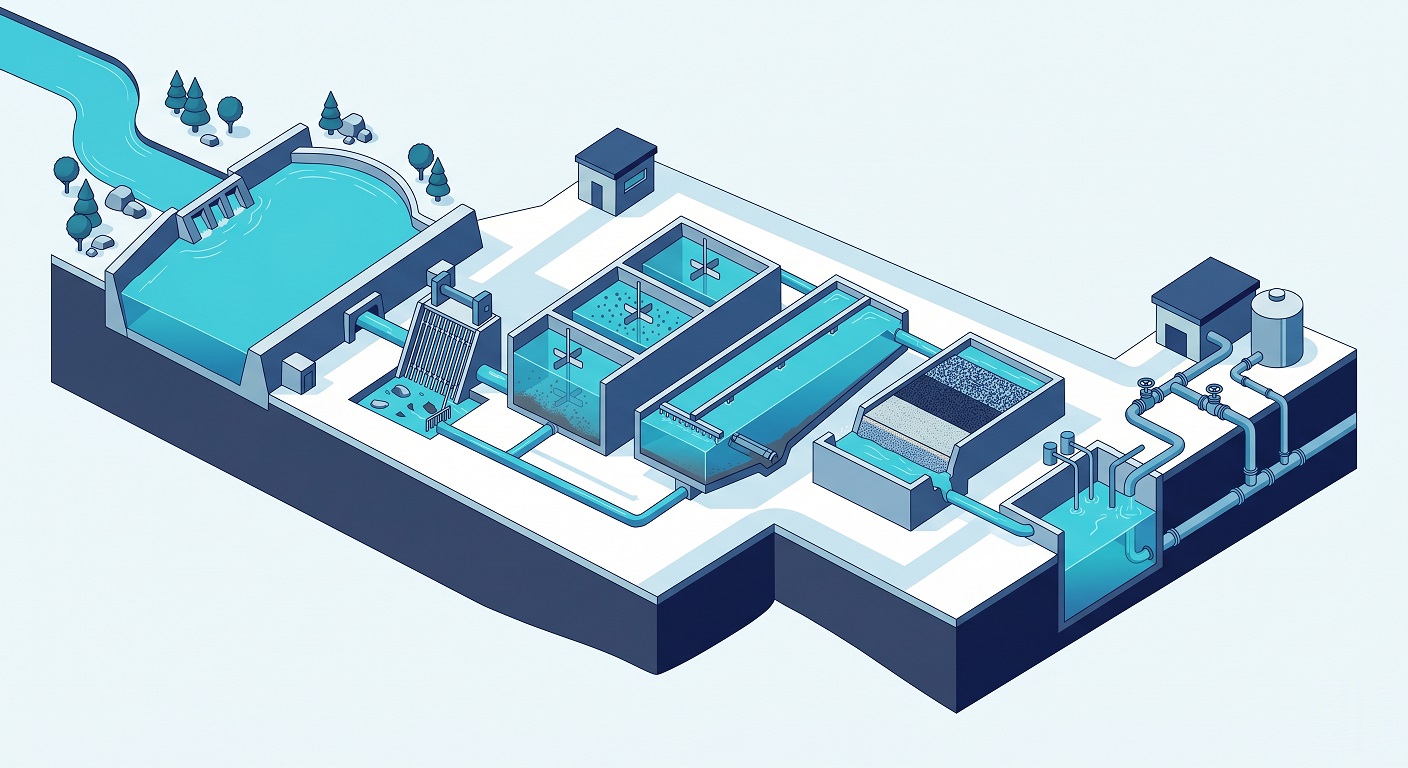
More than 286 million Americans rely on public water systems, yet most have little idea what treatment that water receives. Municipal treatment follows seven stages: collection, screening, coagulation, sedimentation, filtration, disinfection, and distribution. Chlorination is the most common disinfection method, with fluoridation added to support dental health.
Where Tap Water Safety Can Break Down
The Safe Drinking Water Act of 1974 gives the EPA authority to set enforceable contaminant limits. The act also requires states to develop source-water protection programs. Treatment at the plant meets those standards reliably, but what happens downstream is harder to control.
Older distribution pipes and home plumbing introduce a separate risk that treatment cannot address. Lead service lines persist in over 9 million locations, despite a federal ban on lead plumbing since 1986. The American Society of Civil Engineers rated US water infrastructure a “D” grade in 2021.
Cost and Convenience You Can’t Ignore
Tap water costs roughly $0.004 to $0.007 per gallon, making it the most affordable option available. Bottled water can run $9 to $12 per gallon at convenience stores. For most households in areas with modern infrastructure, tap water is safe and difficult to beat on cost.
Spring Water

Under FDA rules, spring water must come from an underground formation flowing naturally to the surface. Collection must occur directly at the spring or through a borehole tapping that same formation. Brands like Evian must meet this standard to use the label.
What Happens Underground Before Bottling
Geological layers act as a natural filter during that underground journey, adding calcium, magnesium, and potassium along the way. That mineral content shapes spring water’s taste, though contamination from runoff or geology changes can still reach the source. Quality can also vary across brands and seasons, since spring sources are not continuously monitored the way municipal systems are.
The Health Case for Spring Water
Ohio State Health notes that spring water provides no additional health advantages beyond adequate hydration. The FDA and EPA apply nearly identical chemical pollution standards to both bottled and municipal water. At roughly $1.22 per gallon, the premium over tap comes down to taste, not health.
Mineral Water
Mineral water has a stricter legal definition than most people realize. Under FDA rules, it must contain at least 250 parts per million of total dissolved solids (a measure of mineral concentration). It must come from a protected underground source, with no minerals added after collection.
What the Research Actually Shows
That mineral content, primarily calcium and magnesium, is where the health interest lies. A 2023 systematic review in the journal Nutrients found that calcium-rich mineral water supports bone health and benefits cardiovascular function. One 2024 trial in adults over 50 found daily mineral water improved muscle mass and reduced fall risk.
When Mineral Water Earns Its Cost
The same minerals are available through food: leafy greens, dairy, seeds, and legumes. For most people, the benefit over tap or spring water is incremental. The strongest case for mineral water is in people with dietary gaps: lactose intolerance, plant-based diets, or older adults.
Purified Water
Purified water earns its label through treatment, not source: it must pass through reverse osmosis, distillation, deionization, or carbon filtration. It must also contain no more than 10 parts per million of total dissolved solids. That means the same label can appear on filtered tap water or water from a pristine underground source.
What Purification Takes Out with the Bad
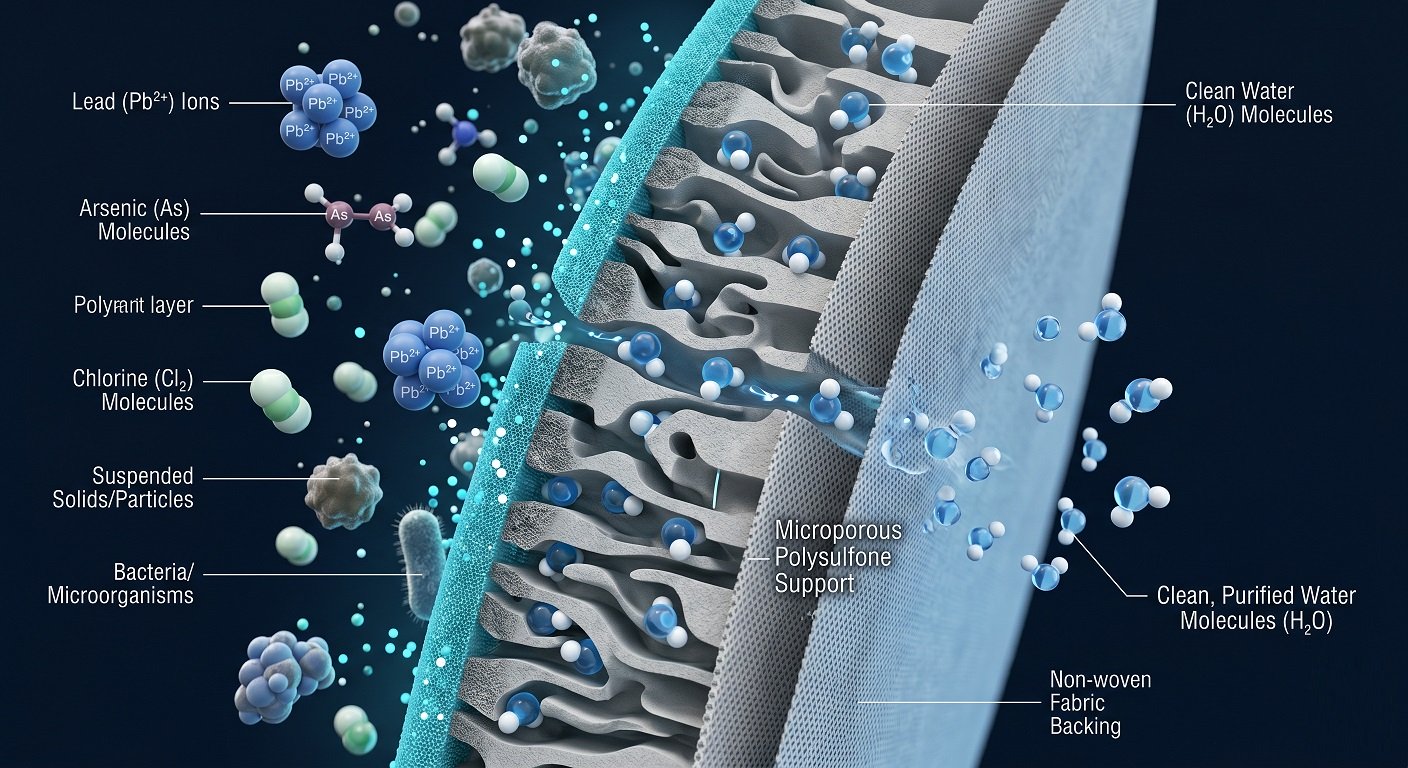
Reverse osmosis, which forces water through a fine membrane under pressure, removes lead, chlorine, fluoride, and arsenic. It also removes most of the calcium and magnesium. A peer-reviewed review found that long-term low-mineral water intake may contribute to demineralization of bones and teeth.
Where Purified Water Has a Clear Edge
Ohio State Health flags fluoride removal as a dental health consideration, especially for people who skip fluoride toothpaste. The key advantage of purified water is consistency: it delivers predictable contaminant removal regardless of local water quality. For people with sensitive systems or taste sensitivity, that reliability is the point.
Distilled Water
Distilled water is produced by boiling water and collecting the resulting steam, which is then condensed back into liquid. This process removes virtually all dissolved solids, minerals, bacteria, and contaminants. What remains is water stripped to near-total purity: no minerals, no electrolytes, no dissolved solids.
Where Distilled Water Actually Belongs
That purity makes distilled water useful in specific applications where mineral deposits or biological contamination would cause problems. CPAP machines, humidifiers, steam irons, medical equipment, and laboratory settings all specify distilled water for this reason. Tap water in a humidifier releases mineral particles as white dust that can settle on surfaces and irritate airways.
Why It Falls Short as a Daily Drink
The World Health Organization warns that very low-mineral water as a sole source can disturb the body’s electrolyte balance. Its flat taste can also reduce daily intake. Minerals lost through sweat are not replenished by distilled water, so regular use risks gradual depletion in people whose diets fall short.
Sparkling and Flavored Water
Sparkling water is water infused with carbon dioxide under pressure, either naturally from a spring or through artificial carbonation. It hydrates just as effectively as still water does. That makes it a practical option for people who struggle to drink enough still water throughout the day.
What Carbonation Actually Does to Your Body
The American Dental Association found that plain sparkling and plain still water have comparable effects on tooth enamel. Some carbonated mineral waters can support bone health, per the National Osteoporosis Foundation. Cola’s bone risk comes from phosphoric acid, not the carbonic acid in sparkling water.
When Flavored Water Stops Being Water
Many flavored water brands add citric acid, sugars, or artificial flavorings that push these drinks into territory closer to soda. Citrus-flavored varieties carry measurably higher enamel erosion risk than plain sparkling water. Added sugars introduce cavity risk that plain sparkling water does not.
Alkaline Water
Alkaline water sits at pH 8 or 9, produced either naturally through mineral-rich rock formations or artificially through electrolysis. Electrolysis separates water into acidic and alkaline streams using electrically charged plates. Most commercial alkaline brands use the artificial method.
Why the Blood pH Argument Falls Apart
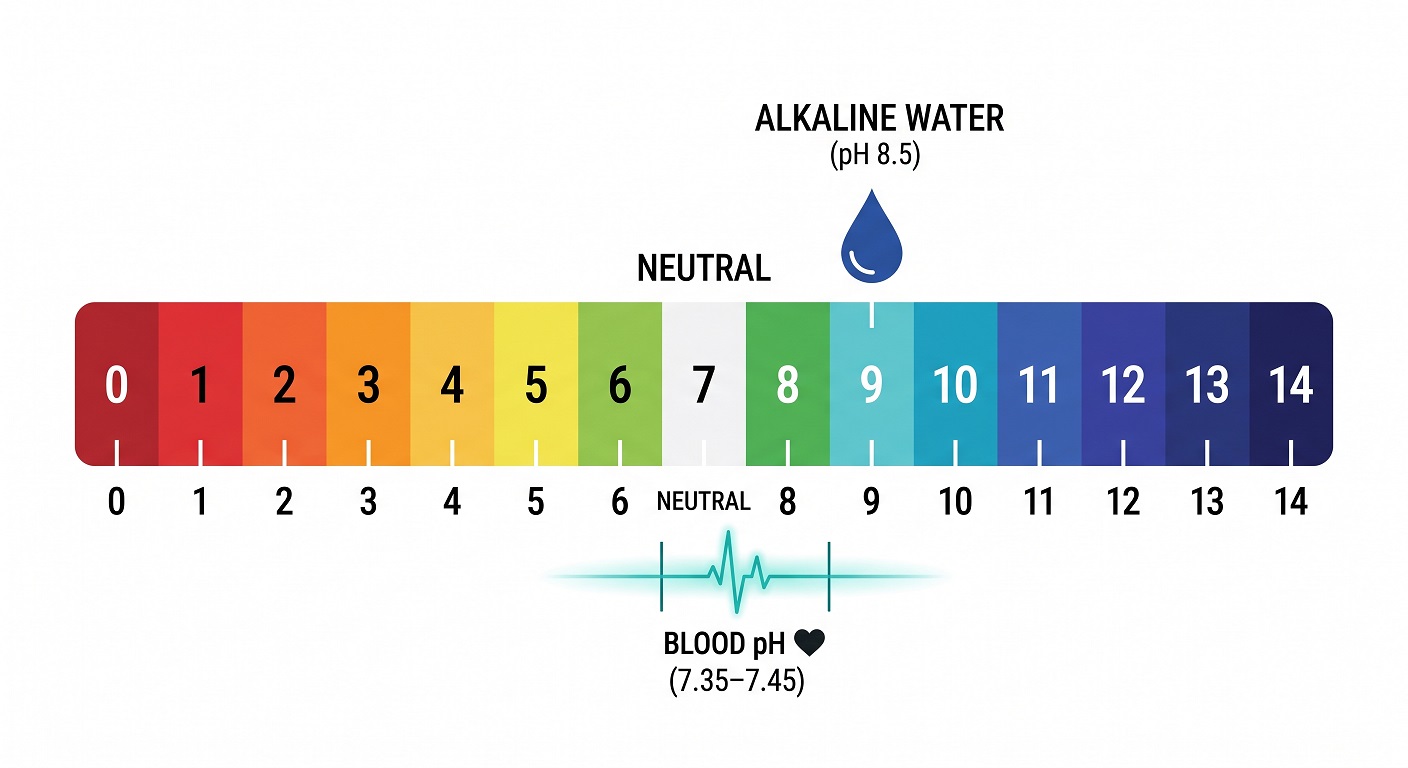
The central claim that drinking alkaline water changes the body’s pH does not hold up. Blood pH is tightly regulated at 7.35 to 7.45, and stomach acid neutralizes ingested alkalinity before it reaches circulation. Mayo Clinic’s position is direct: for most people, alkaline water is not better than plain water.
The Safety Threshold Worth Knowing
A 2022 peer-reviewed study linked electrolyzed-reduced water above pH 9.8 to hyperkalemia in some people. Hyperkalemia is a dangerous elevation of blood potassium. People with kidney disease face particular risk and should consult a physician before regular use.
Reverse Osmosis Water
Reverse osmosis forces water through a semi-permeable membrane at high pressure, removing particles down to 0.0001 microns. Heavy metals, lead, arsenic, PFAS (persistent synthetic chemicals), nitrates, and most dissolved solids do not pass through. It is one of the most comprehensive filtration methods available for residential use.
The Mineral Problem with RO Filtration
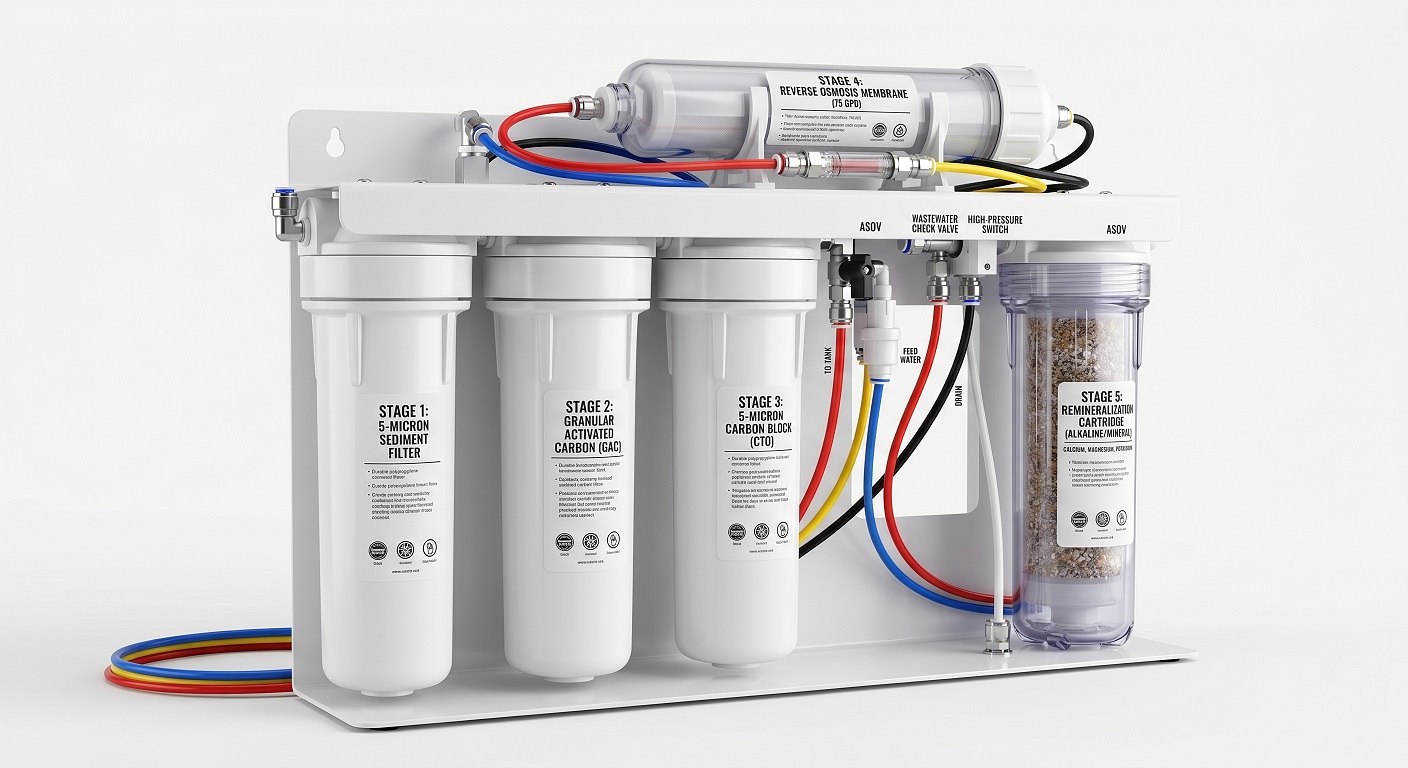
The same membrane that blocks contaminants also blocks minerals. RO systems remove approximately 97 percent of calcium, 96 percent of magnesium, and 95 percent of fluoride. Research links long-term RO use without remineralization to lower bone mineral density, though the evidence is debated.
How Remineralization Closes the Gap
Remineralization filters address the mineral gap directly. Post-RO remineralization cartridges typically restore TDS by 20 to 40 ppm and stabilize pH between 7.2 and 8.0. For most people on a balanced diet, the mineral trade-off is manageable, particularly with a remineralization stage added.
Hard Water and Soft Water
Hard water contains elevated calcium and magnesium, picked up as groundwater passes through limestone and mineral-bearing rock. Soft water has been treated through ion exchange, a process that swaps calcium and magnesium ions for sodium ions. The result lathers easily and leaves no scale on pipes, but the mineral profile changes significantly.
What the Cardiovascular Research Actually Shows
A 2024 study found soft water drinkers had arterial age markers 23 years higher than those drinking hard water. Arterial stiffness is a recognized cardiovascular risk marker. The cardiovascular signal from water hardness appears in multiple studies, though the association is observational rather than confirmed causal.
The Sodium Question in Soft Water
Softened water typically tastes salty in hard-water regions because treatment adds more sodium. For people on sodium-restricted diets, potassium chloride softeners add potassium rather than sodium to the treated water. Households wanting both scale protection and lower sodium can add an RO filter downstream of the softener.
Well Water
A private well draws water from an underground groundwater layer called an aquifer, through a bored or drilled hole. Unlike municipal tap water, it is not regulated by the Safe Drinking Water Act. The EPA and CDC have no authority over private wells, making testing and treatment entirely the owner’s responsibility.
Why Well Water Safety Is Never a Given
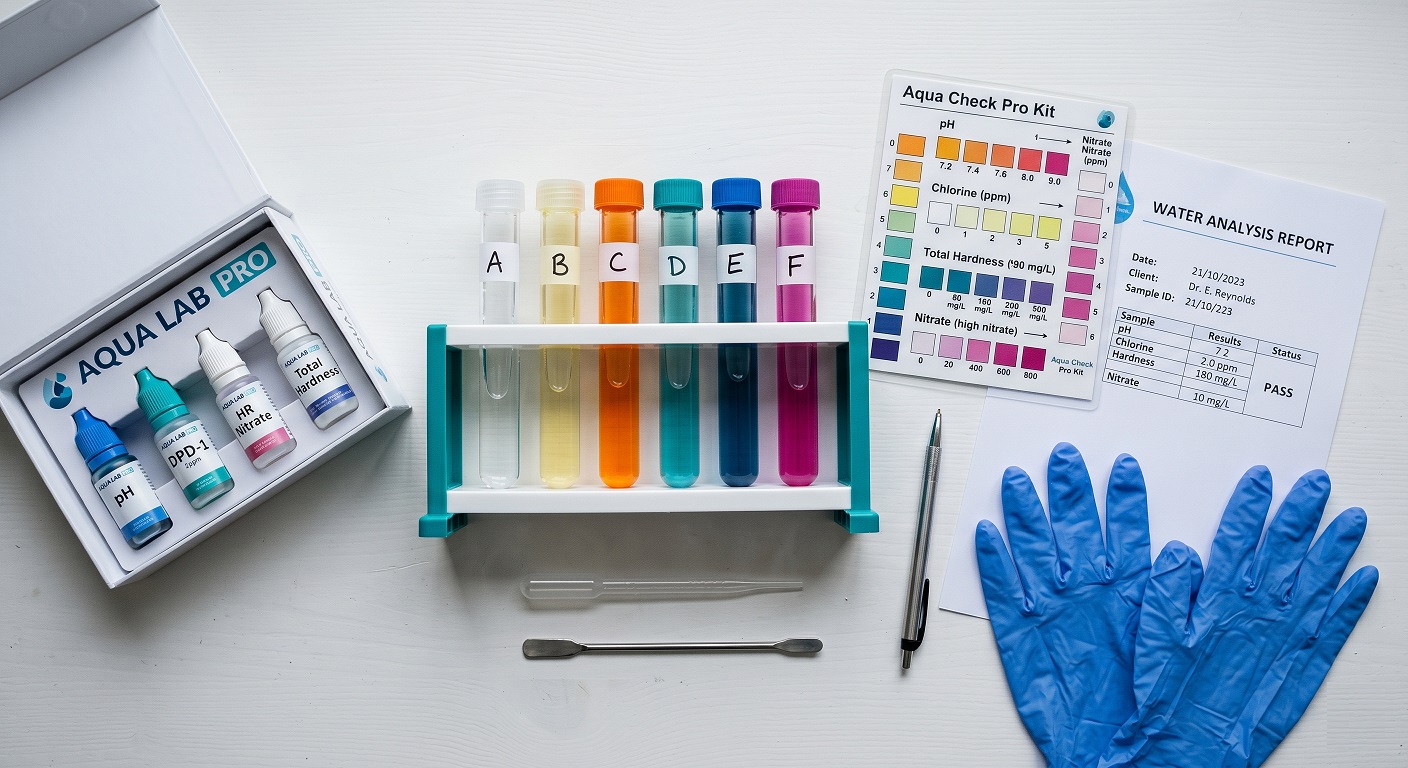
An estimated 43 million Americans rely on private wells for drinking water. A USGS study found that 13 percent of private wells exceed at least one federal health standard. The most dangerous contaminants, including arsenic, nitrates, and PFAS, are invisible and detectable only through laboratory testing.
What Testing Actually Costs and Covers
The EPA and CDC recommend annual testing for bacteria, nitrates, and pH. Costs range from $20 to $60 for basic panels and $100 to $300 for comprehensive tests. Well water can be mineral-rich in clean geology, but testing confirms it, assumption does not.
Rainwater
Rainwater is naturally soft because evaporation leaves dissolved minerals behind. It arrives mineral-free and picks up contaminants from roofing materials, gutters, and collection surfaces. That contact is where the safety concerns begin.
Why Modern Rainwater Is Not Clean Water
Modern atmospheric contamination means collected rainwater carries risks that were not present a generation ago. Stockholm University research found that PFAS levels in rainwater now exceed EPA health advisory limits globally, even in remote locations. A Bangladesh cohort study found rainwater drinkers had significantly lower sodium, potassium, and magnesium levels than groundwater drinkers.
Where Rainwater Is and Is Not Safe
Rainwater has legitimate uses where drinking quality is not required: irrigation, toilet flushing, laundry, and car washing. For drinking, it requires filtration, disinfection, and remineralization before it approaches safe use. Even then, the PFAS contamination concern applies regardless of collection method or treatment level.
Electrolyte Water
Electrolyte water is water enhanced with minerals lost through sweat, primarily sodium, potassium, and magnesium. Its purpose is electrolyte replenishment, not superior baseline hydration. For sedentary daily use, plain water performs equally well and at significantly lower cost.
Who Actually Needs Electrolyte Water
The real use case is athletes beyond 90 minutes of exercise, illness recovery with fluid loss, and heavy sweaters. In heat, athletes can lose up to 10 liters of water and 7,000 milligrams of sodium daily. Plain water alone in those conditions risks hyponatremia, a dangerous drop in blood sodium.
What to Watch for on the Label
Not all electrolyte products serve that purpose cleanly. Many brands add sugars or artificial flavorings that shift them toward sports drink territory rather than clean hydration. Sodium content varies from 35 to 200 milligrams per 8 ounces, worth checking for people managing blood pressure.
Choose the Water That Fits Your Life
Every water type covered here has a place depending on your situation, local water quality, and health priorities. Tap water wins on cost, while mineral and hard water carry the strongest cardiovascular signal. Reverse osmosis leads on contaminant removal, and electrolyte water serves athletes and recovery, not daily sedentary use.
The decision is not about finding the perfect water. It is about making an informed choice with the trade-offs in view. You now have the framework to do that without needing another source.
Leave a Reply
You must be logged in to post a comment.